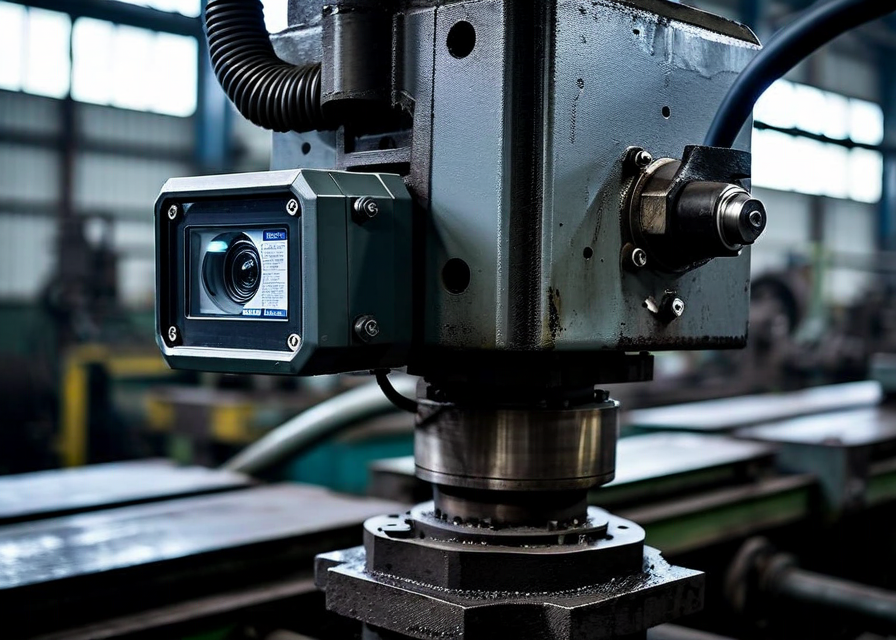
Catch casting defects before they cost you
ForgePuls deploys inline computer vision across your forging and casting lines. Shrinkage porosity, cold shuts, and dimensional drift get flagged at the press - not in the QC lab six hours later.
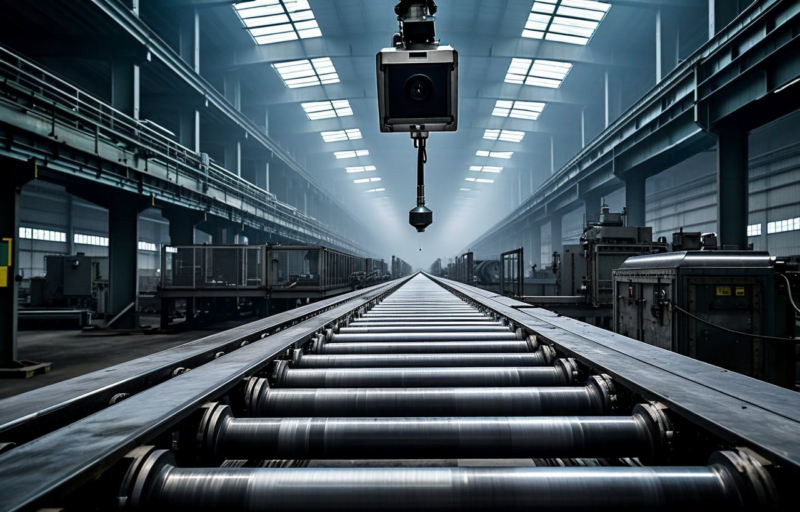
What ForgePuls inspects
Purpose-built detection models trained on 4.2 million labeled images from sand casting, die casting, and closed-die forging environments.
Surface Crack Detection
Identifies hot tears, cold cracks, and grinding cracks using gradient-based edge models. Detection threshold configurable down to 0.08mm.
Porosity and Shrinkage
Subsurface porosity visible only under CT becomes detectable at the surface using multi-spectral imaging. Correlates with downstream CT scan data to train continuously.
Dimensional Drift Monitoring
Tracks part geometry against nominal CAD tolerances across a production run. Flags die wear or thermal drift before tolerance windows close.
Flash and Parting Line
Measures flash thickness and location relative to the parting plane. Distinguishes acceptable flash from trim-required conditions automatically.
Process Correlation Engine
Links defect rates back to press tonnage, billet temperature, lubrication interval, and dwell time. Tells you which process variable is upstream of your rejects.
OPC-UA and MES Integration
Native OPC-UA 1.05 support. Writes inspection results directly into your MES, ERP, or SPC system. No middleware layer, no CSV exports.
From install to first flagged defect in under 24 hours
We designed around the reality that foundries can't stop a line for a week of integration work.
Mount and connect
Industrial cameras mount on existing press or conveyor positions. Ethernet to your plant network. No new servers required - edge processing runs on the ForgePuls node.
Calibrate to your part
Run 30-40 known-good parts through the camera field. Our calibration tool builds a baseline model for your specific geometry, surface finish, and alloy grade.
Inspect and improve
Go live. Every inspection result feeds the model. Accuracy compounds over weeks. Your quality team reviews flagged parts and the system learns from corrections.
Built for harsh plant environments
Consumer-grade vision systems fail at foundry temperatures and vibration levels. ForgePuls hardware is rated to IP67 with operating temperature range of -10 to 75C. Shock-resistant enclosures standard on all nodes.
- IP67 rated cameras and compute nodes
- -10C to 75C ambient operating range
- Vibration rated to 5g RMS, 10-500Hz
- Local edge inference, no cloud dependency
- Redundant power with 4-hour UPS backup